On 25 September 2026, the #edu4sdgs community came together for the Final Online Conference “From Knowledge to Action”, celebrating three years of collaboration, learning, innovation, and commitment to the Sustainable Development Goals.
The event brought together over 150 participants to reflect on the #edu4sdgs journey, discover the project's key achievements, and discuss how its results can continue to support sustainable change beyond the project lifetime.
Empowering Learners to Become Agents of Change
During the main session, Dorota Piotrowska, Professor at Lodz University of Technology and the project coordinator, guided participants through the #edu4sdgs journey and presented its key results, including the SDGs University Knowledge Hub, Open SDG Courses, Digital Badges and Micro-Credentials, Sustainability Mission Lab, international learning activities, webinar series, and Agents of Change.
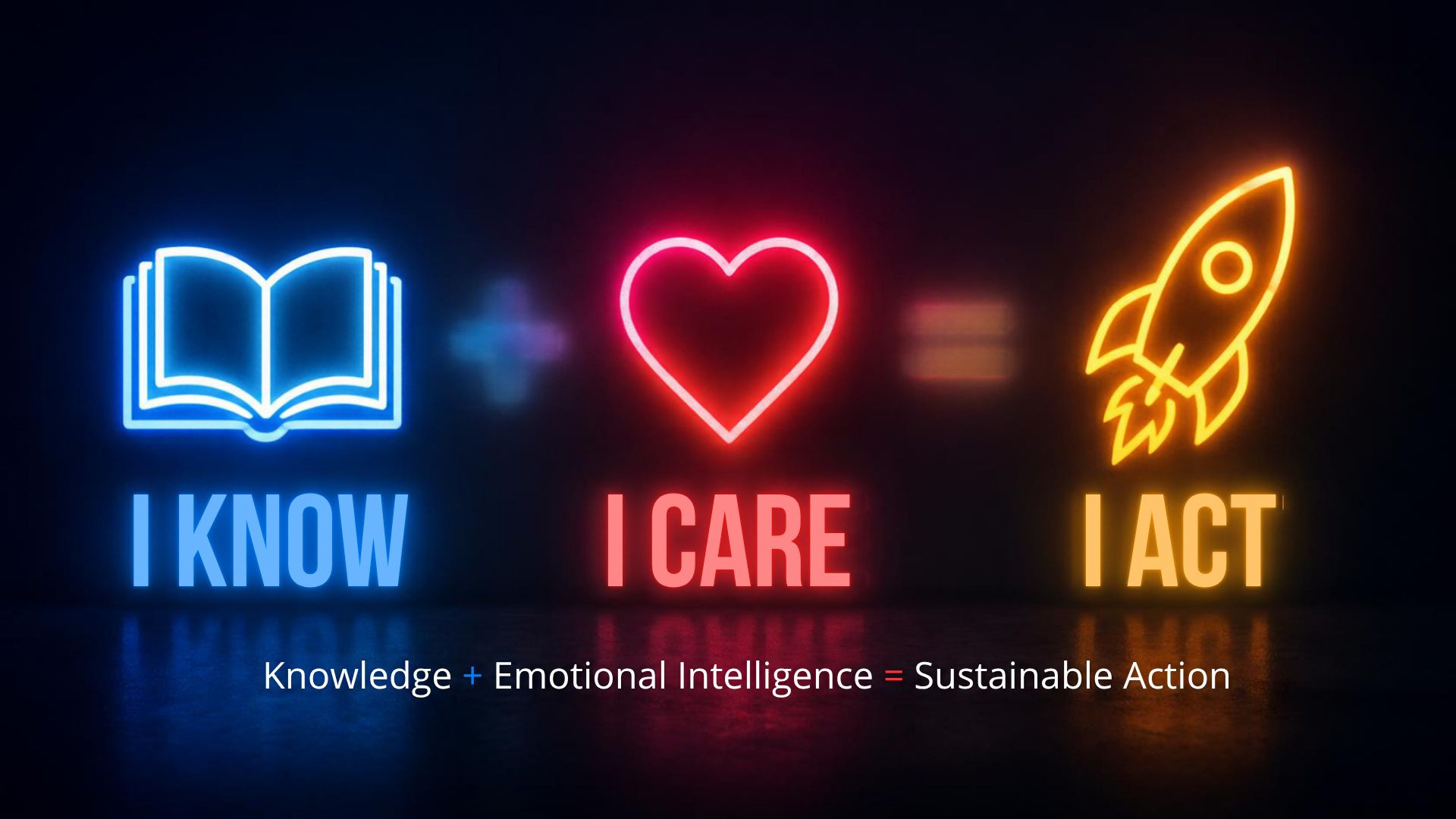
At the heart of this journey is a simple idea:
I Know + I Care = I Act
#edu4sdgs was built on the belief that knowledge alone is not enough to drive sustainable change. By bringing together SDG education and emotional intelligence, the project aims to help learners not only understand sustainability challenges, but also care about them, engage with others, and turn awareness into meaningful action.
From presentation to conversation
The second part of the conference gave participants the opportunity to take the discussion further through five interactive breakout sessions:
- SDGs Around the World, led by Justyna Kopańska, Lodz University of Technology
- Tools and Frameworks for Advancing SDGs in Universities, led by Prof. Dr. Thorsten Kliewe, ACEEU
- Challenge-Based Learning as a Tool for Working on the SDGs, led by Daniel Franco Puntes, Associate Professor, UAB
- Emotional Intelligence for the SDGs, led by Rafał Nykiel, Team Coaching
- Oxford-Style Debates for Sustainable Development, led by Toms Kreicbergs, PhD, Assistant Professor, RTU
Together, the sessions approached the SDGs from different but complementary perspectives, from institutional strategies and international practices to challenge-based learning, emotional intelligence, and debate as a learning method. They created a space for expert insights, practical examples, good-practice exchange, and discussion about how universities, educators, and students can become active contributors to sustainable change.
The project ends. The impact continues.
As #edu4sdgs reaches its formal completion, the resources, learning opportunities, and community created through the project remain available.
Most importantly, the #edu4sdgs journey continues through the people empowered to become Agents of Change.
Thank you to everyone who joined the conference, shared their perspectives, and contributed to the #edu4sdgs journey!